How to choose floor tiles for your interior
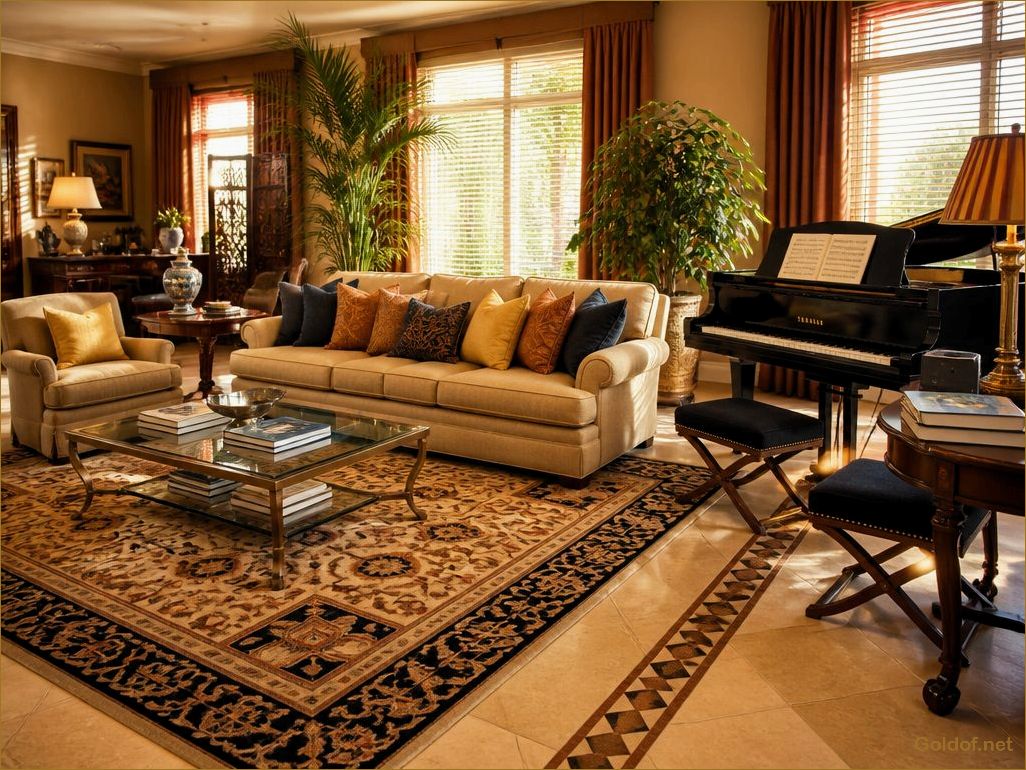
Floor tiles are not just a finishing material, but the basis for creating a stylish, functional and durable floor covering. Its main advantages are exceptional wear resistance, resistance to moisture, temperature fluctuations and easy cleaning, making it an ideal solution for areas with high permeability and specific operating conditions. The market presents a wide range of tiles: from classic ceramics and durable ceramic granite to modern quartz vinyl coatings, each of which offers unique design opportunities. You can choose a tile that imitates natural materials, or give preference to bold geometric patterns and bright colors to give your interior an individuality. The right choice of floor tiles is a guarantee of comfort, safety and aesthetic perfection of your home for decades to come.
Content of the article:
Choose a floor tile according to the style and purpose of the room. Materials with textured surfaces add comfort, while smooth options visually expand the space. For example, ceramic granite is great for the kitchen due to its strength and ease of care.
The color palette plays a key role in the perception of the interior. Light shades create an atmosphere of openness, and dark ones add sophistication. Combine tiles of different tones to create unique zones within one room. Regular use of color accents will make it easy to refresh and change the overall mood of the space.
Don’t forget about patterns that can serve as amazing accents. Geometric figures or ornaments will diversify the floor and help to express your personality. However, it is worth remembering about harmony: too saturated drawing can oppress, so combine them with monotonous tiles.
Choosing a tile is a real opportunity to demonstrate your sense of style. Correctly selected coating will be the basis for further design and additional interior decoration, creating a space where it is pleasant to live and work.
Select tiles for different interior styles
When creating an interior, it is important to consider the style of the room so that the tile organically fits into the overall concept. Each style has its own preferences and recommendations for choosing tiles.

- Classic style:For a classic interior, tiles with imitation of natural stone or wood are suitable. Pay attention to tiles with a matte texture and a warm color gamut, such as beige and cream shades.
- Modern style:In modern interiors, the glossy tile with a geometric pattern looks exquisite. Choose a tile in bright or contrasting colors to emphasize the relevance of the design.
- Scandinavian style:To create a cozy atmosphere in the Scandinavian interior, choose a light tile. Tiles with a texture of wood or tiles in pastel tones will make the room brighter and more spacious.
- Loft:For loft style, choose tile in industrial style. Perfect tiles with the effect of concrete or brickwork, as well as tiles with a metallic shade.
- Provence:To create an atmosphere of French provincial style, choose a tile with a floral or patterned design. Bright, pastel tones, as well as tiles with an aged surface effect will be perfect.
It is also important to consider the size of the tile. Larger formats visually increase space, while small tiles can create interesting patterns and textures. Make sure that the selected tile is compatible with the floors and walls, creating a harmonious composition. With the right choice of tiles, the interior will play with new colors and become a stylish reflection of your taste.
Tile Coating Stability and Care
The choice of floor tiles involves taking into account its resistance to mechanical damage. For this, it is worth focusing on the strength class. For example, for rooms with high permeability, it is recommended to use tiles of class PEI III and higher. This will ensure the durability of the coating even in the most “stressed” areas, such as corridors and kitchens.
Resistance to moisture and chemical effects is also important. Ceramic granite and glazed tiles cope well with moisture, so they can be used in bathrooms and kitchens. For these purposes, a tile with low water absorption is suitable, ideally – less than 3%. This will help to avoid the formation of mold and fungus.
Care for tile coating
Regular care for the tile guarantees its aesthetic appearance for many years. Use soft, non-abrasive cleaning agents. Special washing powders or gels will be suitable for removing contaminants without the risk of damage to the surface. When cleaning, avoid using hard sponges and brushes to avoid leaving scratches.
Table: Recommendations for tile care
| Cleaning Type | Frequency | Recommended resources |
|---|---|---|
| Regular cleaning | Every day | Soft detergents |
| Deep cleaning | Every 1-2 months | Special cleaners |
| Spot Removal | As needed | Abrasive gels and powders (carefully) |
Do not forget about sealing the tile seams. Apply special lubricants to prevent moisture and dirt. This is a special care measure that will significantly extend the life of your tile coating.
Combination of tiles with accessories and furniture
To complement the tile coating, choose accessories and furniture that emphasize its texture and color. For example, for ceramic tiles in neutral tones will be suitable wooden elements. Light wood furniture will create harmony and comfort.
Glossy tile looks great with metallic accents. Choose chairs or lamps with chrome-plated details to add a bit of modernity to the interior. Glass tables will also emphasize the mirror effect of the tile, adding lightness to the space.
The drawings on the tile can be related to textiles. For example, if you have a tile with a geometric pattern, choose sofa pillows with similar shapes. This will create a holistic image that you don’t have to worry about.
For a warm and cozy style, choose textile accessories: tarpaulins, carpets or curtains in warm tones. Their soft texture contrasts with the hard tile, creating balance. Carpets with bright patterns will work as accents without overloading the space.
The use of plants will also give the rooms life. Flowers in pots with natural leaves along with a tile of raw materials will create an ecosystem in your interior. Place them in corners or near furniture to add dynamism and naturalness.
Don’t forget the lighting. Lamps with warm light create a cozy atmosphere and emphasize the texture of the tile. Hanging lamps above the dining table or torches in the corners will attract attention and make the interior more cozy.
The use of such simple but effective techniques will create a harmonious space in which the tile will become the main element, and furniture and accessories will perfectly complement it.