The right ways to paint walls for a spectacular interior
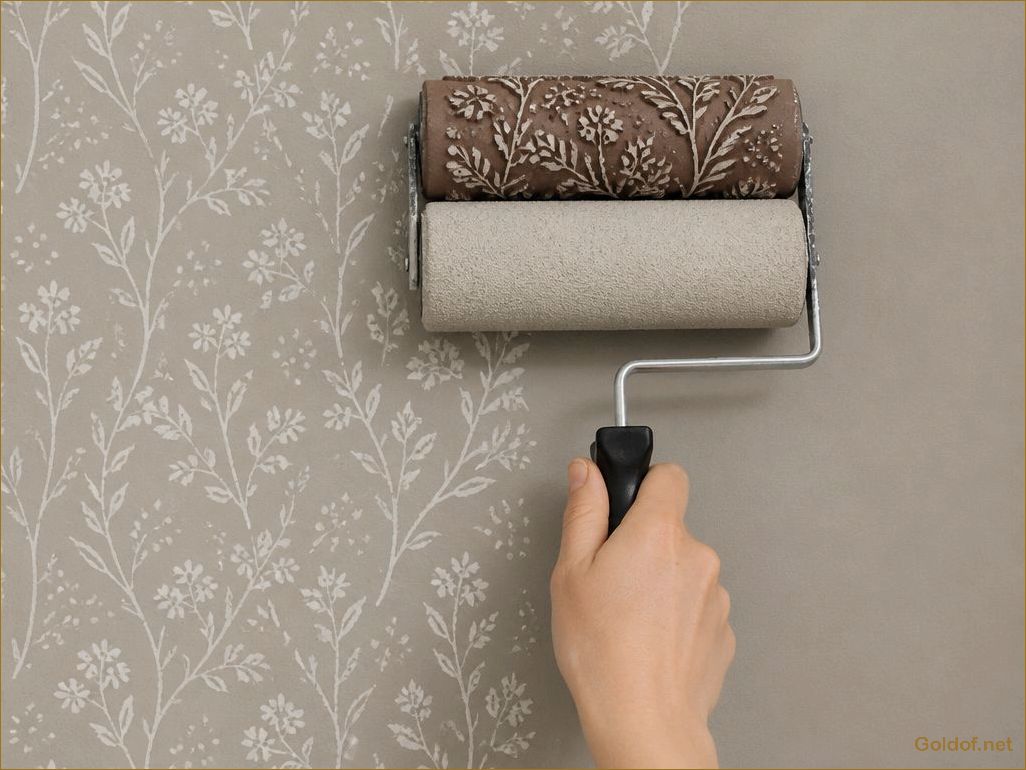
Methods of painting walls allow you to create a neat one-tone interior or an unusual decorative surface without complicated repair. In the article, we will understand the main techniques: classic application with a roller, brush work, painting with a paintbrush, creating a texture with a sponge, brush and a texture roller. We will tell you how to prepare the walls, choose the right paint and tools, properly apply the primer and achieve a uniform color without stripes and pads. You will learn how to combine shades, apply fresco patterns and update the interior with your own hands.
Content of the article:
Before starting painting, ensure good surface preparation. Clean the walls of dirt and dust with a damp sponge or cloth. Pay attention to roughness and cracks: they should be filled with plaster to get a smooth surface. This will not only improve the appearance, but also extend the service life of the coating.
Choose the right tools. For large planes, rollers are ideal, and for hard-to-reach places, use brushes. Pay attention to the type of roller: fluffy provide a better coating, and smooth are suitable for creating a neat texture. Don’t forget to use paint to protect edges and corners. This will help to avoid runoff that spoils the overall appearance.
Before applying the paint, test the selected shade on a small area of the wall. Under the action of light, the color may look different than in the bank. Apply the paint in two layers to achieve a saturated and even hue. Between layers, let each layer dry completely. This will ensure durability and improve the appearance of the end result.
Choice of paint depending on room and conditions
To choose the right paint, consider the destination. In the kitchen and bathroom, it is better to use water-based paints with increased water repellence. Such coatings prevent the appearance of mold and are easy to clean.
For living rooms and bedrooms will be suitable matte or satin paints. They create a cozy atmosphere and hide small defects on the surface of the walls. Pay attention to the color palette: pastel and neutral tones visually increase the space and make it more comfortable.

Location and lighting
If a room with limited natural light, choose brighter shades that reflect light. In such rooms, light cream, beige and gentle blue tones look optimal. For well-lit rooms, you can experiment with more saturated colors to create an accent.
Specifications of premises
In children’s rooms should use hypoallergenic paints, safe for health, for example, acrylic. Try to choose shades that promote calmness or inspiration, such as soft turquoise or soft pink. In corridors and stairs, it is recommended to apply more resistant to mechanical damage and contamination paints to keep their attractive appearance for as long as possible.
Surface Preparation Before Painting
Be sure to clean the walls from dirt, dust and grease. Use a soap or special cleaning agent. This will improve the adhesion of the paint to the surface.
Then check the surface for cracks and defects. Fill all the slots with plaster, choosing a material suitable for the type of walls. After drying, provide grinding for smoothness.
If the walls have old paint, perform an adhesion test. Slightly carry a knife on the surface; If the paint is removed, it should be removed. Special means can be used to compress or exfoliate.
For even better results, brush the wall to identify rising areas that need to be strengthened. Perform such manipulations throughout the wall.
Don’t forget to clean the finished surface. This will create a homogeneous layer that will ensure uniform application of paint and prevent the appearance of stains.
To protect appliances and furniture, build shelters such as film and old blankets. Paste the edges of windows and doors with paint tape for clear lines. This will save time on finishing and improve the appearance.
Also check the humidity level of the room. Avoid painting at high levels, as this can negatively affect the result. The ideal working temperature is from 10 to 30 degrees Celsius.
Coating technique for uniform coating
Markup method
Before starting painting, mark the boundaries of the zones using paint-on-the-spot. This will allow you to get clear lines and avoid accidentally hitting the paint on other surfaces. Make sure the tape is firmly glued to avoid underruns.
Paint application
Load the roller with paint by one-third to avoid excesses.
Apply the paint in movements up and down, and then diagonally to distribute it evenly.
Do not wait for the first layer to dry completely, otherwise visible seams may remain. It is better to apply the second layer when the first is still a little wet.
For corners and hard to reach places, use a brush. Apply the paint in small portions to avoid underruns and achieve a smooth coating. Carefully scan the corners and edges.
Clean the roller regularly to avoid accumulation of old paint. This ensures that the color remains uniform throughout the process.
Following these recommendations, you will get a quality and even coating that will retain its appearance for a long time.
