How to choose the right grout for tiling in the interior
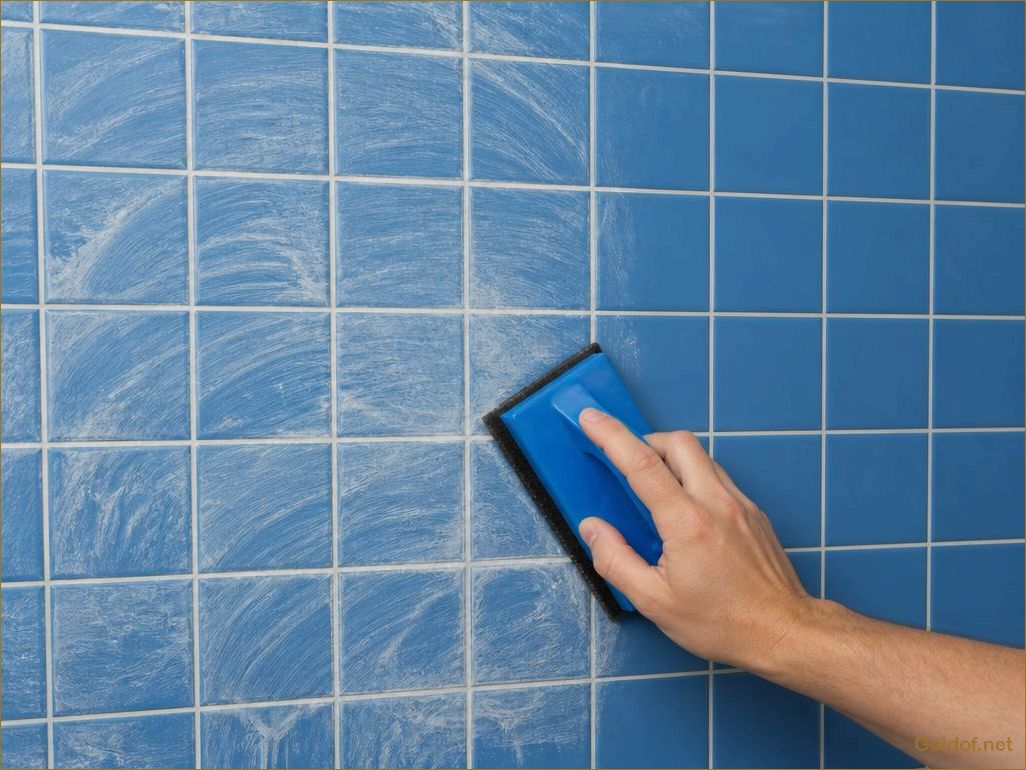
Grinding is an indispensable material in the tile cladding process, which plays a double role: functional and decorative. Its main task is to seal the space between the tiles, which is critical for protecting walls and floors from moisture, mold and fungus. Without high-quality lubrication, the tile coating quickly loses its original appearance and can begin to break down. In addition to the protective function, the plaster acts as a design element capable of both supplementing and completely changing the perception of the tile. The color gamut of stitches is extremely diverse, allowing you to create both contrasting and maximum fusion with the tile seams. From classic white and grey to bright and metallic shades, the possibilities for creativity are limitless. The choice of material – cement, epoxy or silicone slurry – is determined by the specifics of the room and the intensity of loads.
Content of the article:
Determine the type of slurry. There are two main options: cement and epoxy slurries. Cement is more common and suitable for most rooms. They have a variety of colors and are easy to use. Epoxy coatings are recommended for areas with high humidity as they have excellent water repellence and are resistant to chemicals.
Pay attention to the seam width. For tiles with narrow seams (up to 3 mm), it is better to choose a low-fluidity plaster that easily fills small gaps. Wide seams (3 mm or more) require a more viscous glue to prevent leakage. Explore the manufacturer’s recommendations for the appropriate types of gaskets for the selected seam width.
Consider the color of the wiper. Choosing the right color will help create a harmonious look. Think about whether the plaster will stand out on the background of the tile or, on the contrary, will become the background basis. Colors can vary from white to black, with bright shades to create an interesting contrast. It is best to test a few colors on a small plot to see how they look in the lighting of your room.
Do not forget the service life. Epoxy lubricants last longer and are more often used in places with intensive operation. Cemented ones usually require periodic updates. Before purchasing, review the care recommendations and lifetime of your chosen filler to avoid unexpected costs in the future.
Definition of type of plaster depending on tile material
The choice of plaster should start with determining the tile material, as this directly affects its stability, appearance and durability. Let’s consider several common types of tiles and suitable types of tiles.

- Ceramic tile: For ceramic tile, cement slurries will be the most suitable. They provide good adhesion and withstand mechanical loads.
- Ceramic granite: For ceramic granite, epoxy coatings are recommended. They have high resistance to damage, moisture and chemicals.
- Mosaic tile: When working with mosaic is best suited special epoxy composition or cement slurries with the addition of pigments. This will help preserve the color and texture of the mosaic.
- Glass tile: Choosing a grease for glass tile requires a careful approach. Only transparent or semi-transparent wipes are suitable here to avoid visual distortions.
- Stone tile: For natural stone, choose cement-based mortar with high water-repellent properties to protect the surface from contamination and darkening.
- Bimetal tile: In this case, it is preferable to give slurries with low water content and high flexibility to avoid cracks.
Pay attention to the recommendations of the manufacturer of tiles and plasters. The right choice will ensure the durability and aesthetic appeal of your coating.
Choose color plaster for harmonic combination with tile
When choosing the color of the plaster, the main attention should be paid to how it will be combined with the tile. It is important to consider the color gamut and texture of the tile to achieve a uniform style. Neutral blur colors such as white, gray or beige provide a light background, emphasizing the underlying tile pattern.
If the tile is bright and saturated, choose a blush in tone or one or two shades lighter. This will create a smooth transition and visually allow the tile to “breathe”. For monochrome tiles, it is recommended to use a plaster that is slightly darker than the main color of the tile to complement it and add depth.
When choosing a blender, it is worth remembering the contrasts. The dark tile looks great with a light finish, creating bright lines. However, if the contrast is too sharp, it can distract attention from the main tile pattern.
Tile colorRecommended bleach colorWhiteLight grey, beigeGreyDark grey, blackBeigeLight brown, creamBrightIn tone or one or two shades lighterDarkLight grey (white)
Don’t forget about the texture. Matte plaster is suitable for tiles with a matte surface, and glossy – for smooth tiles. This will create harmony not only in the colors, but also in the feeling. Pick up plaster and tile samples to visually evaluate the combination in real lighting conditions.
Also consider the room style. For modern interiors, minimalist combinations are suitable, while for classics, you can add elements with exquisite shades of plaster. Choosing a mattress color is a way to emphasize the individuality of your space.
Tile cladding is not just a finish, but a key element that ensures the durability, aesthetics and hygiene of your tile surfaces. It fills the seams between tiles, preventing the penetration of moisture, dirt and microorganisms, which is especially important in rooms with high humidity, such as bathrooms and kitchens. Properly selected plaster not only protects the foundation from destruction, but also gives the interior a finished, harmonious look, emphasizing the beauty of the tile itself. There are different types of lubricants: cement – the most common and available, epoxy – with high resistance to chemical effects and abrasion, and furan – for extreme operating conditions. The choice depends on the type of tile, operating conditions and the desired decorative effect. Professional application of grease guarantees a flawless result and durability of the coating.
