Practical advice for repairing stuck doors in an apartment
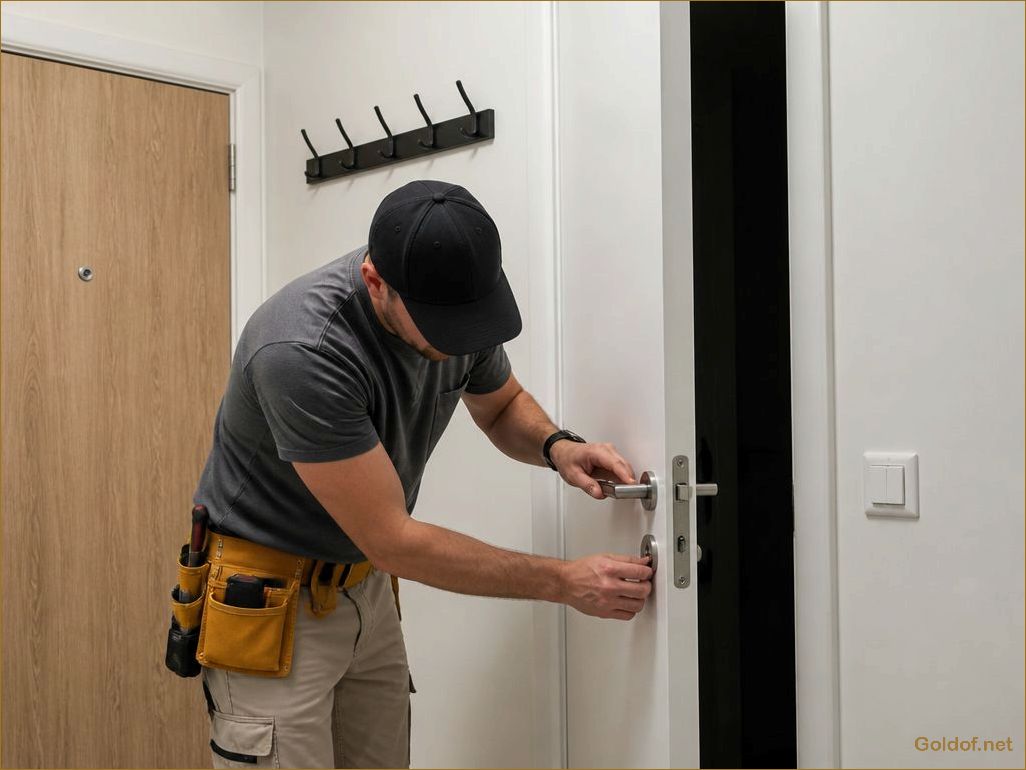
If the door bites, first determine the contact area: there will be damage on the canvas. Most often the problem is the distortion of the box or the flap itself. Try adjusting the position of the door by placing the washers under the lower loop or using adjusting screws. When the door is attached to the floor, check that the fasteners have not weakened. In case the flap has exploded, remove the beam from the problem area. For laminated surfaces, use paint tape to prevent damage to the coating when working with the tool. Do not forget about lubrication of crumbling mechanisms: loops and latches need periodic care. If self-adjustment does not help, you may need to replace the door with new hinges or replace the box. Remember: regular prevention extends the service life of the doors.
Check the gap between the door and the frame. Often the cause of jamming is the incorrect installation of the door or a change in the shape of the door box. If the gap is too small, slightly adjust the position of the loops, weakening the fastening screws and slightly lifting the door. Tightly screw the screws after setting.
Content of the article:
If the door screams or rubs against the floor, use lubricant. Apply silicone lubricant to the loop, then open and close the door several times to evenly distribute it. If the floor interferes with the door, try to sand the strongly protruding areas or lift the door with a washer placed under the loops.
Humidity can cause swelling of wood. To protect the door from moisture, use a wax-based sealant or a special water-repellent paint. Regular treatment of the door cloth will help to avoid such problems in the future.
Finally, monitor the condition of your loops. If they are worn out, it is easier to replace them with new ones than to try to restore the old ones. Timely maintenance will help your doors serve for a long time and without problems.
Evaluation of causes of door jamming and diagnosis of problems
First, carefully examine the door and door frame for visible damage. Check the gaps around the perimeter of the door. Irregular gaps indicate possible problems with the installation or box.

- Check the awnings: Make sure the loops are not damaged and the fasteners are not weakened. Wearing loops can cause the door to distort.
- Check the level: Use the level to check the verticality and horizontality of the door box. Nervousness leads to door jamming.
- Pay attention to the condition of the door: Damage to the surface, such as cracks or chips, can cause rust. In the presence of deformations, the most likely culprits.
Then check if there are any obstacles between the door and the box. Sometimes small objects such as buckles or clamps can interfere with normal closure.
- Temperature and humidity: Changes in climate can cause wood to expand. Assess the humidity level in the room and monitor temperature changes.
- Locks and padlocks: Make sure the lock works freely. The locking mechanism can cause difficulties in opening.
Perform a visual diagnosis using a tape. Place it where the door is in contact with the box. This will help you understand where it affects and requires adjustment.
The final step is to identify all identified problems and prioritize their elimination. This will save you time and effort during home repairs.
Adjustment door: simple steps to remove jamming
To eliminate door jamming, start with adjusting the loops. All it takes is a screwdriver. Check how close the door is to the lawn. If you notice that the upper part of the door knocks on the lawn, weaken the upper loop, raising the back of it. Similarly, if the lower part hits, raise the front of the lower loop.
Setting door position
The next step is to check the completeness of the door fittings. All screws must be tightened. If any of the screws are weakened, it can lead to deformation. Stretch them out and see if the position of the door has improved. Sometimes it is enough to simply replace worn loops with new ones to eliminate congestion.
Adjust lock and handle
Pay attention to the lock with the handle. If the castle eats, try lubricating it. Use silicone lubricant or special means for locks. Make sure the mechanism is running smoothly and check that it is not over-trimmed relative to the door. If necessary, the lock can be slightly adjusted with a screwdriver to achieve a better match with the counterpart on the hammer.
Use of lubricants to improve mechanism performance
Choose the right lubricant to eliminate door jamming. Oil or wax lubricant is well suited for metal hinges, and silicone sprays are used for doors with plastic or wooden elements. They help reduce friction and prevent wear of the mechanism.
Prepare the work surface, clean the loops from dirt and rust. Apply the lubricant carefully, paying attention not only to the outer parts of the loops, but also to the internal mechanisms. You can use a brush or sprayer for this. After applying, open and close the door several times, allowing the lubricant to be evenly distributed.
Maintain the loops regularly, especially in conditions of high humidity or dust. This significantly extends the service life of the door mechanisms and ensures their smooth movement. If you notice repeated bites, consider replacing worn-out items or trying other types of lubricants.
