How to choose the right lighting for different rooms in an apartment
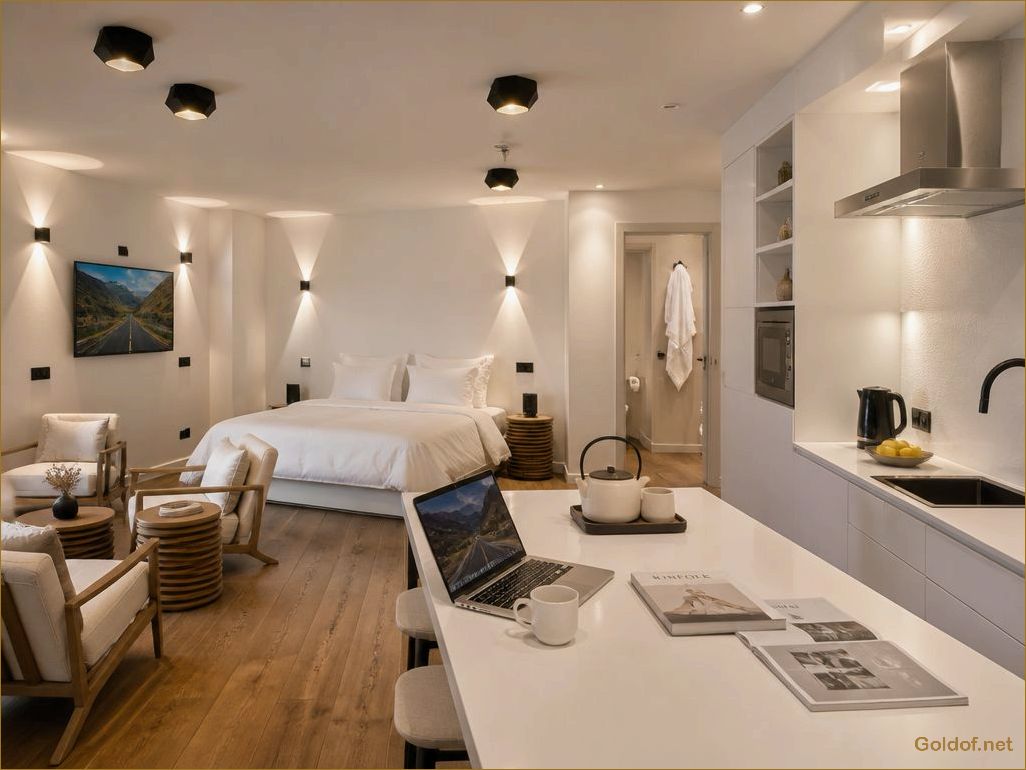
Lighting for rooms in the apartment is an important part of a comfortable and functional interior. Properly selected luminaires help to zonate the space, emphasize the design and create the desired atmosphere. For the living room will suit ceiling chandeliers, track systems and decorative brackets, for the bedroom – soft scattered light and bedside lamps, and for the kitchen and office – bright directional lighting. When choosing take into account the area of the room, the height of the ceilings, the color of the walls, the purpose of the room and the temperature of light. Properly organized lighting makes the apartment more comfortable, visually spacious and comfortable for everyday life.
Content of the article:
Choose lighting based on the functionality of each room. Use different types of lighting to create the right atmosphere. For example, in the kitchen, prefer bright ceiling lamps that will provide good visibility during cooking. At the same time, for the bedroom, choose soft, scattered lighting that promotes relaxation and rest.
Pay attention to the location of the light sources. For the work space, wall lamps or lamps on the table will be suitable, which will create focused lighting. Use a combined approach in the living room. Ceiling lamps in combination with towels and table lamps will help to achieve an interesting lighting effect.
An important part is the choice of the type of lamp. LED lamps provide low power consumption and long service life, making them an excellent option for any room. Evaluate the color temperature: warm light (2700K-3000K) will create coziness, and daytime white (4000K-5000K) will fit in the working areas.
Finally, don’t forget about adjustable lighting. Installing dimmers will allow you to easily change the brightness depending on the mood and time of day. This approach is suitable for any room, adding flexibility and convenience in the use of lighting.
Understanding lighting types and their functions
Choose three main types of lighting: general, accent and decorative. Each type performs its function and complements the overall atmosphere of the room.

General lighting
General lighting creates the foundation for lighting the space. Use ceiling lamps or built-in lamps to distribute the light evenly throughout the room. These solutions are suitable for residential and public spaces. Consider options with adjustable brightness to adapt the light to different needs.
Accent lighting
Accent lighting is aimed at highlighting certain objects, such as paintings or architectural elements. Use wall brackets, spot lights, or floor lamps to create focus. Pay attention to the location of the light sources to avoid sharp shadows.
Decorative lighting
Decorative lighting adds aesthetic value. It includes unusual lamps or garlands that emphasize the style of the interior. Use such elements to create a cozy atmosphere or emphasize unique design solutions.
When creating multi-layer lighting, combine all three types to achieve the perfect balance and comfort in the room. Consider the size and purpose of the room: bright light for work areas and soft – for rest. The choice of lighting greatly affects the overall perception of space.
Choice of light sources depending on the purpose of the room
When planning lighting, consider the function of each room. Bright, cold light sources are ideal for the workspace. LED lamps with power from 4000K to 5000K will create optimal conditions for concentration and productivity.
Living room
In the living room, choose warm lighting to create a cozy atmosphere. Equipping ceilings with river lamps with the ability to adjust them will create flexibility in lighting. Torches and wall brackets with easy dispersion are also suitable.
Bedroom
In the bedroom, use soft light with a warm shade (2700K-3000K). They are best placed in the form of built-in lamps or on bedside tables. Pay attention to the dimming option to allow you to adjust the degree of brightness.
For the kitchen, choose bright lighting with good color transmission (4000K-5000K) for comfortable cooking. Hanging lamps above the tables and energy-saving lamps under the cupboards will make the space functional and aesthetic.
In the bathroom will be suitable cold sterile lighting (3000K-4000K), ensuring good visibility. Use moisture-proof sources and avoid too bright light to avoid sharpness in perception.
Following these recommendations, you will achieve a harmonious combination of style and functionality in the lighting of each room.
Tips on lamp placement for optimal lighting
The location of the lamps depends on the purpose of each room. In the living rooms, place central light sources, complementing them with wall brackets or torches in the corner to create a cozy atmosphere.
Zoning space
Use different light sources for zoning: Create accents on paintings or furniture with spot lamps. In the kitchen, install liners and LEDs under the top cabinets to illuminate the work surfaces.
Brightness level
Determine the required brightness level for each zone. In the bedroom, choose warm adjustable lighting to create a relaxing atmosphere. In office areas, it is better to use bright light to increase concentration.
Regularly review the location of the lights. Try different height and distance options. Don’t be afraid to experiment with the direction of light – it can fundamentally change the perception of space.
For general lighting use chandeliers, ceiling panels and built-in spot lamps. The working areas are complemented by table lamps, countertop lighting or directional spots, and for recreation choose a bra, towels and LED strips. It is important to think in advance about the location of the switches, the power of the lamps and the shade of light. Warm light creates comfort, neutral is suitable for most rooms, and cold – for work areas.
