How to install floors in your home yourself with ease
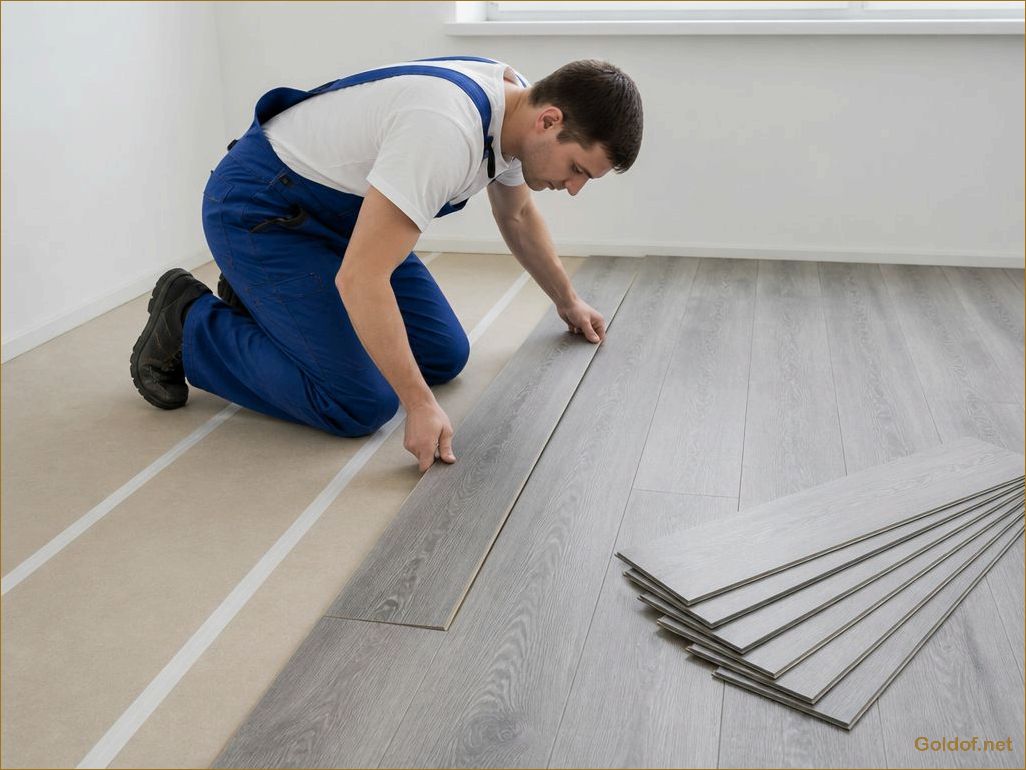
Do you dream of a new, beautiful and durable flooring, but do not want to overpay for the work of the craftsmen? Laying the floor with your own hands is a quite achievable task that requires only a little time, accuracy and correct knowledge. This guide will be your indispensable assistant, a guide to the world of DIY floor repair. We will examine in detail the nuances of working with different materials: from classic laminate and parquet to modern vinyl coatings and tiles. You will learn how to properly prepare the foundation, choose the necessary tools, perform the cutting of the material and perform the installation, achieving the perfect result. We will share secrets that will help avoid common mistakes, ensure durability and aesthetic appearance of your new sex.
Content of the article:
Choosing the material for the floors is the first step to creating a cozy home. For wood, laminate, tiles or linoleum will require a different approach. Make sure you are familiar with the features of each option. For example, for wooden floors will suit a massive board or plywood. But for the tile will need a stronger foundation and special glue.
The next step is to prepare the foundation. Remove the old coating, if any, and level the surface. Nervousness affects the longevity and appearance of the new sex. Use the level and mix the self-leveling mixture to achieve perfect flatness. Do not forget about protection against moisture, especially if it is a room with a high level of humidity.
After preparation, choose the stacking method. For laminate and parquet, approach with regard to the direction of light. When laying tiles, it is important to consider the patterns and location of the seams. Every step should be carefully thought out to avoid unpleasant surprises in the process. Remember: accuracy and patience are the key to quality results.
Selection of flooring materials
Parquet is a luxurious option that adds aesthetic value. It provides warmth and flexibility under the feet. Choose Egyptian wood or oak – they are resistant to wear. Install the parquet on a special pad for noise insulation and protection against moisture.
Ceramic tile is the preferred material for bathrooms and kitchens. It has moisture-resistant properties and is durable. Choose a tile with a matte surface to reduce the risk of slipping. For tile laying, use quality glue and crucibles to accurately align the seams.

If you need an economical option, consider linoleum. This coating is suitable for various rooms and is available in a wide range of colors. Make sure you have a protective layer to increase wear resistance.
Carpet covering creates comfort, but requires regular care. Suitable for bedrooms and living rooms. Choose fibers that are resistant to contamination and clean regularly with a vacuum cleaner.
The choice of flooring should be based on the characteristics of your space. Consider the operating requirements, the climate of your region and your personal aesthetic preference. This will create a harmonious and functional space in your home.
Prepare foundation before stacking
Clean and align the surface on which you will lay the floor. Remove old coating debris, dirt, dust and rubbish. Check the basis for cracks and irregularities.
The choice of tool depends on the type of foundation. For wooden floors, use sticks, grinders and level. If you have a concrete surface, you will need a burr, spatula, and level. For work with light materials, hand tools are suitable.
If there are cracks, fill them with suitable building mixtures. Use a spatula for even distribution. After freezing, check the surface for flatness; Grind if necessary.
Measure the humidity level. The concrete foundation should have a humidity level of no more than 3%, and the wooden one should not be more than 12%. Use a humidity meter for accurate measurements.
Before laying the pad, make sure the foundation is clean and flat. The lining of the substrate will not only increase sound and heat insulation, but also help to level out small irregularities. Place the mat throughout the perimeter of the room, if necessary connecting the edges.
After the final preparation of the foundation, carry out a final inspection. Use the level to make sure the entire surface is flat. This will prevent laying problems and ensure the longevity of your new sex.
Technology laying different floor types
If you choose laminate, lay it on a floating system. Start by installing a pad that provides noise insulation and protection against moisture. Lay the laminate, leaving a gap of about 1 cm at the walls for free expansion. Use parallel rows starting from the far corner of the room and moving towards the exit.
For the laying of parquet use glue, if durability is required. Prepare the foundation, remove dust and dirt. Apply the glue to the base, then install the parquet boards, ensuring a tight connection. Leave room for expansion.
When installing tiles, start from the center of the room, laying out lines that will help place the tiles correctly. Use a special glue and toothbrush. Fill the seams with a gauze after the glue has dried to improve the water repellent properties.
When laying the carpet, first cut it with stock, so as not to accidentally make a mistake in size. Use double-sided tape to fasten the edges. Apply a roller tool to glue the carpet to avoid folds and bubbles.
If you decide to install a parquet board, mount it on glue or a lock. Make sure it lays evenly across the area. Consider the direction of the fibers, laying the boards close to each other.
Fix all joints with special corners or edges to improve the appearance and protect the floor. Remember that the correct layout of each type of floor requires care and attention to detail to achieve the best result.
Creating a beautiful and reliable flooring with your own hands is real! This detailed guide is designed to dispel doubts and inspire you to repair yourself. We will understand all the stages, starting with assessing the condition of the existing floor and choosing the optimal material – whether it is laminate, parquet, quartz vinyl or ceramic tile. You will learn how to properly carry out measurements, prepare the surface, choose and use the necessary tools, as well as master laying techniques that ensure a smooth and durable coating. Particular attention is paid to the nuances of working with different types of locking joints and adhesive systems, as well as finishing. Follow our instructions and you will be able to save significant funds while getting a floor that will delight you with its beauty and functionality for many years.
