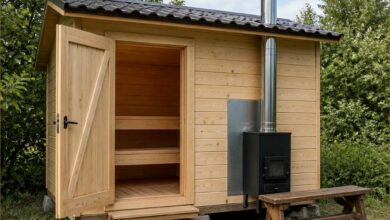
Popular materials for bathhouse construction and their characteristics
For comfortable and long-lasting use of the bath, the choice of materials is crucial. When building it is worth considering the climatic conditions of your region. For cold regions, it is recommended to use dense wood rocks, such as fir or hardwood, due to their high thermal insulation and resistance to moisture.
Content of the article:
If you are in an area with high humidity, pay attention to processed wood materials that are resistant to rot. For example, cedar and balanced composite materials are perfectly suited to this task. They minimize the risk of mold and the negative impact of moisture on the structure of the bath.
In warm regions, a good option would be to use light and breathable materials such as pine or oak. These types of trees allow the air to circulate freely, preventing overheating. It is also worth including in the design elements that provide protection from strong sunlight, such as awnings or light screens.
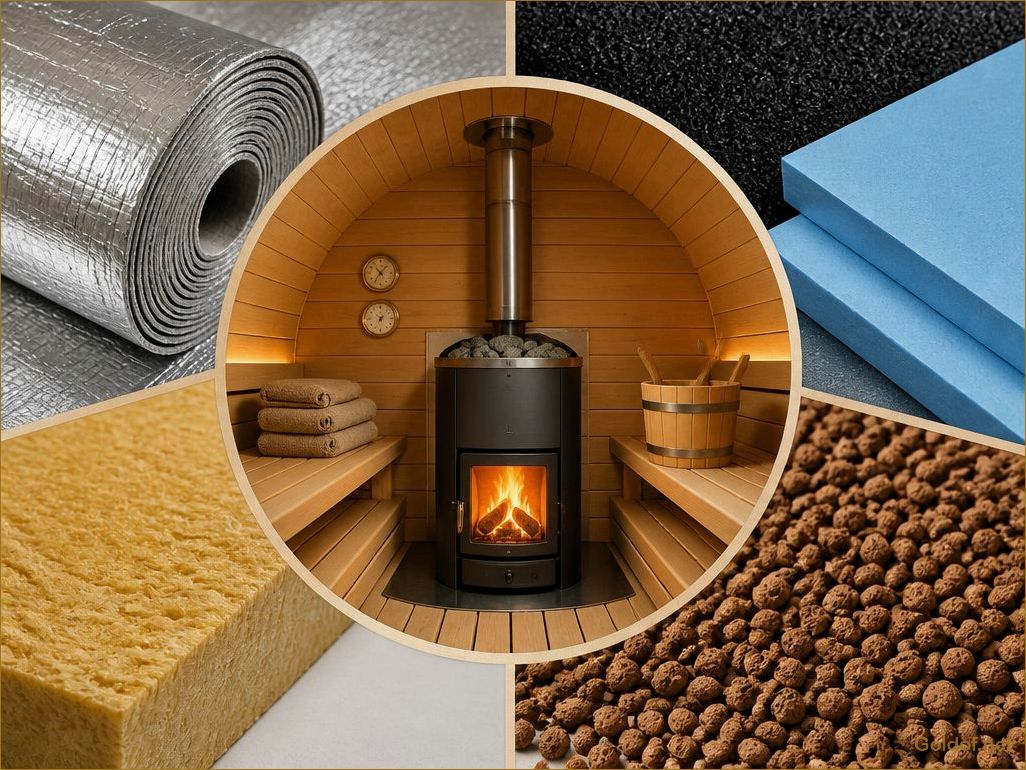
Regardless of the climate, reliable insulation is an important aspect. The use of mineral wool or foam as a heater will help maintain the optimal temperature inside the bath, regardless of the external weather conditions. Choose materials based not only on aesthetic preferences, but also on their functionality in a specific climate.
How wood of different breeds affects thermal insulation depending on the region
To optimize the thermal insulation properties of the bath should take into account the wood variety. Cedar, pine and deciduous have different characteristics that affect heat saving.
Cedar is distinguished by its low coefficient of heat transfer. It retains heat and has natural antiseptic properties. Recommended for cool regions where winters are long and harsh.

Pine is an affordable and popular choice. In a temperate climate, its thermal insulation properties and price make wood a preferred option. It has good durability, although requires treatment to protect against moisture.
The face is characterized by high strength and resistance to rotting. In northern latitudes, where it is necessary to take into account the increased humidity, its use is justified. The face retains heat, which makes it attractive for construction.
It is also worth paying attention to regions with strong temperature fluctuations. Here, oak or birch wood will show good thermal insulation properties and resistance to deformation. They are perfect for creating a comfortable microclimate inside the bathroom.
Use wood best suited to the climatic conditions of your area to ensure optimal thermal insulation and durability of the building.
Choice of heaters: what to consider in cold climate
When choosing heaters for baths in cold climates, it is important to consider several key factors that directly affect thermal insulation and comfort. Focus on materials that provide high thermal conductivity and are able to retain heat.
- Heater type: Evaluate mineral heaters such as stone or glass. They have excellent thermal insulation properties and are not afraid of moisture, which is important for bathing.
- Coefficient of thermal conductivity: Choose materials with low coefficient of thermal conductivity. The lower this figure, the better the heater will protect against heat loss.
- Steam permeability: Make sure the insulator has good steam permeability. This will help avoid moisture build-up in the bathroom walls, which can lead to wood rot.
- Heater thickness: When designing, consider the thickness of the heating layer. For cold climates, a minimum thickness of about 150-200 mm is recommended to create an effective barrier to cold.
- Ranger mounting system: Consider combined solutions such as applying two-layer systems: soft heaters on the inside and hard on the outside. This will create a system that can cope with fluctuations in temperature.
Don’t forget about the installation methods. Incorrect installation of the insulator can nullify all its advantages. Make sure that the heater is close to the surface and does not leave gaps.
- Resistance to mechanical damage: Choose insulators that transmit heat and physical impact well to avoid thermal insulation losses in the future.
- Environmental: Pay attention to the composition of the heaters. Use environmentally friendly materials that are safe for health.
- Cost: Compare the prices of different insulators, but do not save on quality. The wrong choice can lead to significant heating and repair costs in the future.
A careful approach to the choice of heaters, based on climatic conditions, will help to preserve heat and create comfortable conditions in your bathroom at any time of the year.