How to choose bathroom floors so that they last long and beautifully
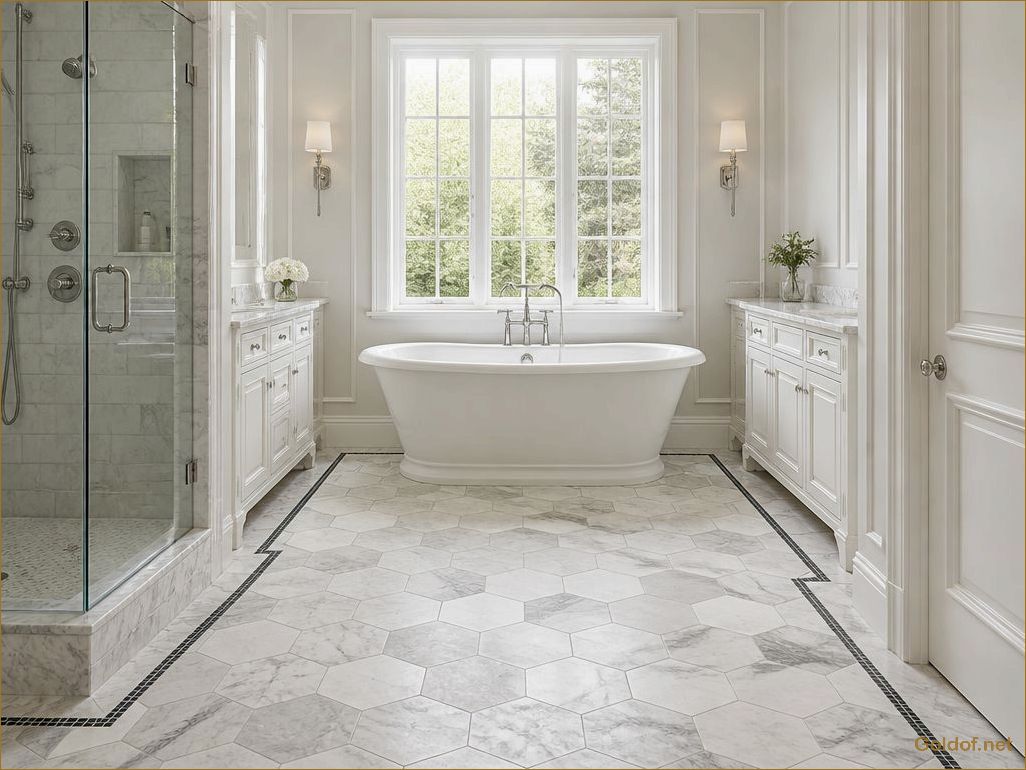
The bathroom is an area of increased humidity and risk, so the choice of floor covering here is of paramount importance. This guide will help you make an informed choice, ensuring the durability, safety and beauty of your sex. We will analyze the main materials suitable for wet rooms: from traditional ceramic tiles and ceramic granite to modern and practical vinyl coatings (LVT, SPC). You will learn about key parameters such as moisture resistance, wear resistance, non-slip properties and ease of care. We will also look at the layout features of different materials and give tips on creating a stylish design that harmoniously combines functionality and aesthetics. Provide your bathroom with a floor that will serve you with faith and truth.
Content of the article:
Tile is one of the most common options for the floor in the bathroom. It has moisture-resistant properties and ease of care. Ceramic tiles are not only resistant to moisture, but also available in a variety of color solutions and textures. In tile laying, it is important to choose quality glue and plaster to avoid cracks and mold.
Laminate is another popular choice that will be suitable for the bathroom if it has a special moisture-proof coating. This floor looks stylish and creates a comfortable atmosphere. However, it is worth considering that the laminate requires careful care and may not withstand constant contact with water. Pay attention to the thickness of the coating: the larger it is, the longer the material will last.
If you are looking for something unusual, consider a rubber or vinyl floor. These materials are moisture resistant and have excellent damping properties, making them comfortable to stand on. In addition, today there is a wide range of designs that allow the floor to harmoniously fit into the bathroom interior.
Wood can also be an option if you choose specially treated moisture-resistant varieties such as teak or deciduous. They will give the bathroom comfort and warmth. However, such a floor requires regular care and treatment with special means to prevent rotting.
Choice of floor for bathroom: best materials
For the bathroom, choose materials resistant to moisture and temperature fluctuations. A great option will be ceramic tile. It is easy to wash, mold resistant and available in a variety of styles and colours.

Laminate is not recommended in rooms with high humidity, but special models with a water-repellent layer can be an interesting choice. Make sure that the laminate is designed for bathrooms, and not ordinary, otherwise it will quickly come into disuse.
Vinyl floors turn your bathroom into a cozy space. They are light, soft to the touch and available in various designs. The performance of water repellent properties ensures the durability of the coating.
Concrete flooring can be used if you are looking for a modern style. It is durable and resistant to moisture. Spend on quality processing and polishing to create a perfect appearance.
Wooden floors are relevant when using special treatments to protect against water. Cedar or hardwood are suitable due to their natural resistance to moisture. Proper care will preserve their beauty for years to come.
- Ceramic tile: Stability, ease of care.
- Vinyl floors: Softness, unique design.
- Concrete: Modern style, strength.
- Wooden floors: Aesthetics, subject to protection.
When choosing a material, consider your interior style, personal preferences and budget. The optimal solution will allow you to create not only a beautiful, but also a functional bathroom.
Ceramic tile: how to choose and lay
Choosing a ceramic tile begins with determining the style and color gamut. Choose the tile according to the overall design of the bathroom. The matte tile will visually reduce the space, while the glossy surface will add light. Choose a tile with a non-slip coating, especially for wet areas.
Notice the strength class. For the bathroom is suitable tile not lower than the third class (AA). This ensures that the plate will withstand the loads arising during operation. Also consider the size of the tile: large format tiles visually expand the space, while small ones create a more detailed finish.
For laying ceramic tiles it is recommended to use a specialized adhesive. Make sure the surface is flat and clean. Start laying from the center of the room, gradually moving towards the walls. This will provide a symmetrical view.
Use crosses for seams and monitor the consistency of the stack. An additional coefficient of strength increase can be obtained by choosing a tile with a textured surface. After laying, let the tile dry according to the recommendations of the glue manufacturer, then fill the seams with plaster.
The final stage is seam processing. Use a water repellent slurry to avoid the appearance of mold. Do not forget about regular tile care – clean it with gentle means to preserve beauty and durability.
The bathroom is a place where there are special requirements for flooring: it should be moisture-proof, non-slip, durable and, of course, aesthetic. This guide will help you understand all the variety of options and choose the perfect floors for your bathroom. We will look at the advantages and disadvantages of materials such as ceramic tile, ceramic granite, vinyl coatings (LVT, SPC), as well as talk about modern solutions such as bulk floors. You will learn what to look for when choosing which features are important for safety (such as anti-slip coefficient), and how to create a stylish design that will keep you happy for years to come. From practicality to aesthetics, find your perfect bathroom floor solution.