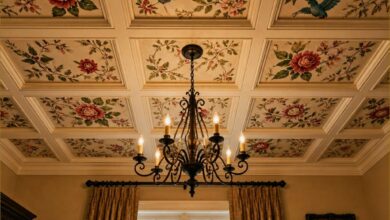
Suspended ceilings as a solution for modern interiors
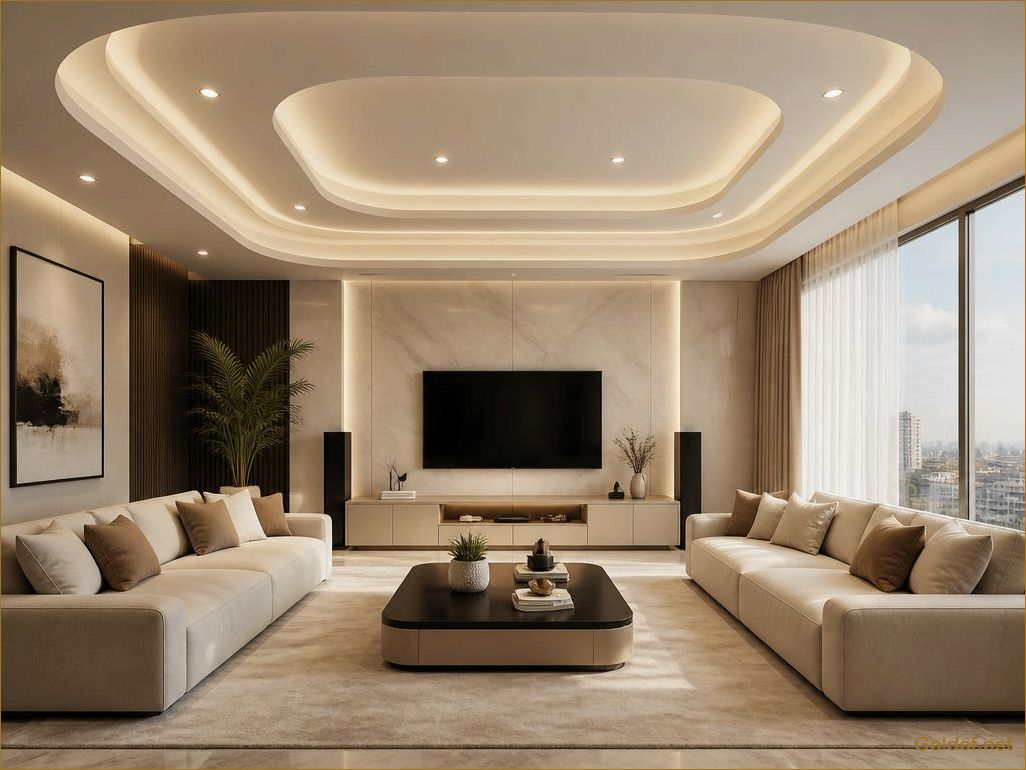
Are you looking for a way to give your interior a modern look, hide the shortcomings of the main ceiling and at the same time improve the functionality of the room? Suspended ceilings are the answer! Their main feature is the ability to hide all engineering communications, making the space neat and aesthetically attractive. But this is just the tip of the iceberg. The world of suspended ceilings is diverse: from practical and economical mineral fiber slabs to stylish metal or wood grating systems, as well as elegant stretch fabrics. Each type offers unique opportunities for the realization of design ideas, whether it is the creation of multi-level structures, the integration of lighting or the improvement of sound insulation. Suspended ceilings are a universal solution for creating a comfortable, stylish and functional environment.
Content of the article:
Suspended ceilings are becoming an increasingly popular choice for creating stylish and functional interiors. They perfectly hide communications, have good sound and thermal insulation properties. In addition, a wide range of materials and textures allows you to choose the right option for any style: from classic to modern minimalism.
Choose materials wisely. Depending on your preferences, you can stop by plasterboard, which is easy to design and finish, or aluminum panels that look chic in modern interiors. Pay attention to the acoustic characteristics – if necessary, you can choose special panels that promote additional noise insulation.
Design is an important aspect. Suspended ceilings offer many lighting options. The integration of spot lamps or LED strips allows you to create cozy accents and expand the visual space. First, determine the purpose of the room, and then experiment with the shape and style of the ceiling to achieve a harmonious combination.
Don’t forget about the budget. While some solutions may seem expensive, you can always find quality and affordable materials. Compare prices in different stores, consider DIY options to cut costs. Create the perfect atmosphere by investing in what really matters to your home.
How to choose materials for suspended ceilings
When choosing materials for suspended ceilings, pay attention to three key factors: strength, moisture resistance and sound insulation. Gypsum board, metal and mineral tiles are best suited depending on your needs.

Gypsum Ceilings
If you need ease of installation and a good finish, choose plasterboard. It is easy to process, allows you to create a variety of shapes. Gypsum board is also good for sound insulation, which is relevant in apartment buildings.
Metal ceilings
Metal tiles are ideal for public spaces. They are durable, moisture-resistant and resistant to mechanical damage. They are often used in commercial and office spaces due to ease of care and durability.
Mineral tiles
Mineral tiles offer excellent sound insulation and moisture protection. They are perfect for bathrooms and kitchens. Such tiles are available in various textures and colors, which makes it easy to choose them for any interior.
| Material | Benefits | Disadvantages |
|---|---|---|
| Gypsum board | Easy installation, good sound insulation | May suffer from moisture |
| Metal | Strength, moisture resistance | Cold appearance, limited design capabilities |
| Mineral tiles | Excellent sound insulation, variety of formats | Less strength compared to other materials |
When choosing the material for your ceiling, also consider the interior style and budget. Consider combining materials to achieve the best results. This will help create not only a beautiful, but also a functional ceiling that meets all your requirements.
Technology installation of suspended ceilings: step by step
Prepare the necessary tools: laser level, roulette, metal scissors, drill, screwdrivers and a puncher. It is important to have everything at hand to avoid unnecessary interruptions.
Start with labels. Determine the height of the ceiling and mark the line along the entire perimeter of the room. Use laser level for accuracy. This will help avoid distortions during installation.
Set up guiding profiles. Attach them to the walls on the marked line. For this use oaks and screws. Check the horizontality of the guides using the level.
Attach the suspension to the ceiling. Arrange them step by step according to the specifications of the selected panels. Usually 60 cm. The notches on the suspensions should be directed downwards to ensure reliability.
Set up the main profile. Put it in the suspension and fix it with screws. The main profile should be level, this will ensure an accurate view of the ceiling.
Now attach the transverse profiles. Set them between the main profiles. This will provide additional rigidity of the design and prepare the basis for the installation of cassettes or panels.
Start installing the ceiling panels. Carefully insert them into the guiding profiles. Check the joints between the panels for cracks and possible irregularities.
Finish the installation. Make sure all panels are installed firmly and evenly. If necessary, make corrections in places where it is necessary to align the elements.
At the final stage, close all visible connections with decorative stripes. This will give the ceiling a finished look and hide the fastening places.
Check the work done. Make sure that the ceiling is set flat, there are no slopes or irregularities. Now your suspended ceiling is ready to delight in the comfort and aesthetics of the interior!
Suspended ceilings are a modern and practical solution that radically changes the idea of the possibilities of decorating the ceiling space. They are a construction mounted under the main ceiling, which allows to hide all communications: wires, ventilation pipes, air conditioning systems. But their advantages are not limited to functionality. Suspension systems open wide horizons for design: from classic rack and tile options to innovative solutions with backlighting, curvilinear shapes and various textures. They are able to visually adjust the height of the room, improve acoustics and create a unique atmosphere. The ease of installation and further maintenance make suspended ceilings an ideal choice for offices, shopping malls, as well as residential spaces seeking style and comfort.