How to choose materials for the walls of your house or apartment
The materials for the walls of your home or apartment affect not only the appearance of the interior, but also the comfort, thermal insulation and durability of the repair. In this article, we will consider popular finishing options: wallpaper, paint, decorative plaster, wall panels, ceramic tiles, drywall and natural materials. We will tell you what coatings are suitable for the kitchen, bathroom, bedroom, living room and hallway, how to prepare the surface and what to pay attention to when choosing. You will learn about the advantages, disadvantages, costs and features of installing each solution.
Content of the article:
Choose brick or aerated concrete for strong and durable walls. Brick provides excellent thermal and sound insulation and aerated concrete is easy to operate and install. Consider the climatic conditions of your region: in cold places it is better to use materials with high thermal insulation.
Pay attention to the construction method. If you are planning an individual project, say, a frame house, then choose wood, it is environmentally friendly and provides good air circulation. For multi-storey buildings, reinforced concrete panels are optimally suited, which perfectly withstand loads.
When choosing materials, do not forget about your budget. Compare the cost of different options and choose the price-quality ratio. Do not save on important aspects such as thermal insulation and durability, it will save money on heating and repairs in the future.
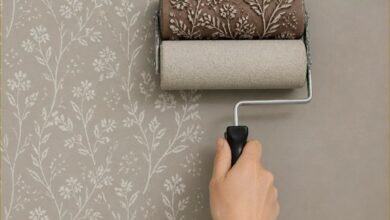
Don’t forget about the walls. There are various options: from paint and wallpaper to tiles and plaster. Choose the finish according to the style of your home and your preferences. Remember that quality finishing materials will not only decorate your home, but also protect it from various external factors.
Comparison of popular building materials: brick, concrete and wood
Brick exhibits excellent thermal insulation properties, providing a comfortable microclimate in the room. Its strength and durability make brick walls a reliable foundation for the home. Do not forget about proper ventilation to avoid moisture problems.

Concrete is distinguished by its high strength and resistance to external influences. It is ideal for large structures and also allows you to quickly erect walls. At the same time, it is worth taking into account that concrete may be less effective in thermal insulation if additional insulating materials are not used.
Tree as eco-alternative
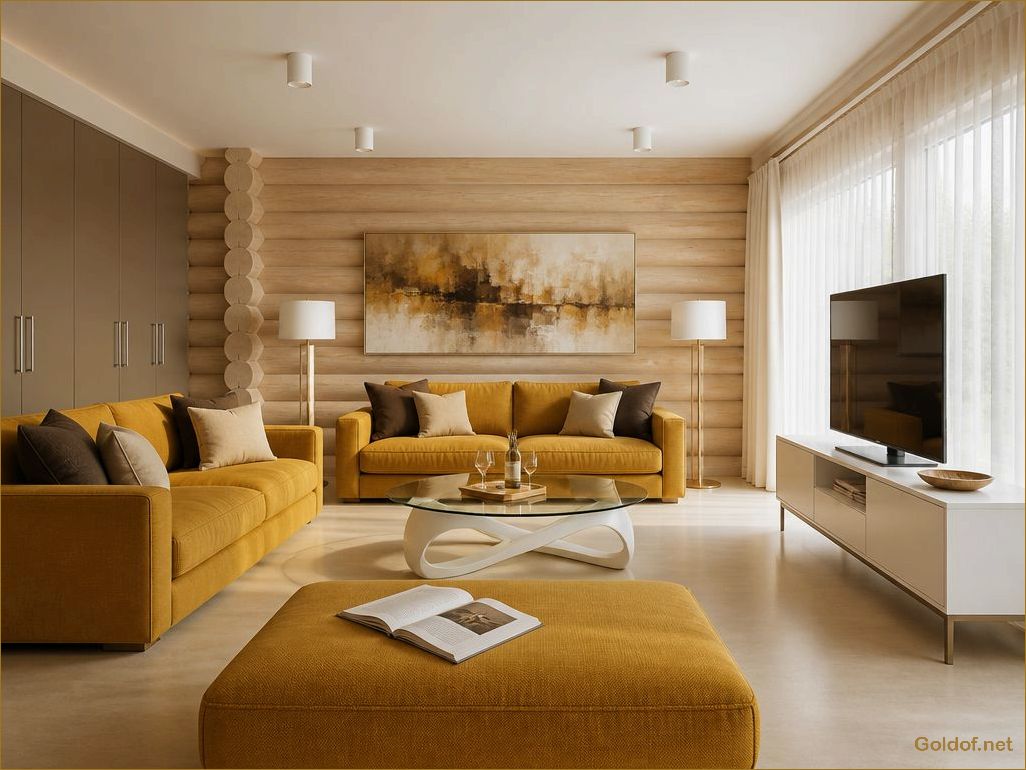
Wood is distinguished by its ease and simplicity of processing, which makes it easy to create various architectural forms. It has good thermal insulation properties and natural aesthetics. Pay attention to choosing quality antiseptics to protect the tree from pests and rot.
Conclusion: what to choose?
When choosing between brick, concrete and wood, consider climatic conditions, budget and design preferences. Each material has its advantages and limitations, so choose according to your specific tasks and long-term plans for operating your home.
Energy efficiency: how to choose heat-saving materials
When choosing walls for your home, focus on materials with low thermal conductivity. They will prevent heat leakage, thereby reducing heating costs.
Ceramic brick has a high thermal capacity and maintains a comfortable microclimate. Its use leads to significant heat preservation.
Gas concrete is distinguished by its lightness and good thermal insulation properties. With its help, you can quickly build a warm and durable home.
Wooden structures, when properly finished and processed, also provide proper thermal insulation. Wood regulates humidity and creates comfort in the room.
Do not forget to pay attention to the thickness of the walls. The thicker the wall, the more effective heat retention.
Foam and mineral wool are ideal for thermal insulation of walls. These materials are easy to install and provide a high level of insulation.
When choosing window frames, consider options with warm profiles and multi-chamber systems. The right windows should further reduce heat loss.
Also consider the ventilation. Thoughtful ventilation systems with heat recovery will help maintain a comfortable temperature in the house.
Be systematic in the choice of materials and technologies. Invest in quality and proven solutions. Energy savings will become a significant foundation for long-term comfort and reduction of housing maintenance costs.
Weather resistance: which materials are best for your region
Choose materials suitable for the climate of your region. For areas with frequent rain and high humidity, choose brick or concrete. These materials are not afraid of moisture and are resistant to fungi and mold. Wood should be used only with proper protection, for example, drinks and antiseptics.
In regions where severe frosts prevail, use insulating brick or aerated concrete structures. Gas concrete has good thermal insulation and avoids cracks due to frosty soil swelling.
For a hot climate, materials with good heat transfer and a bright surface will be suitable. For example, white or light grey concrete will help reduce the heating of the walls. Also consider using different insulation materials to protect against direct sunlight.
If your area is prone to strong winds or hurricanes, choose more durable solutions. Steel frames or reinforced concrete walls will provide the necessary protection, as well as guarantee a long service life of your home.
Don’t forget about local building regulations and recommendations. Explore the specifics of your region, consult with local specialists. This will help avoid problems and ensure comfort and safety in your home.
Rely on climatic conditions when choosing wall materials to make your home last long and reliably in any weather conditions.