How to choose the right materials for renovating your home
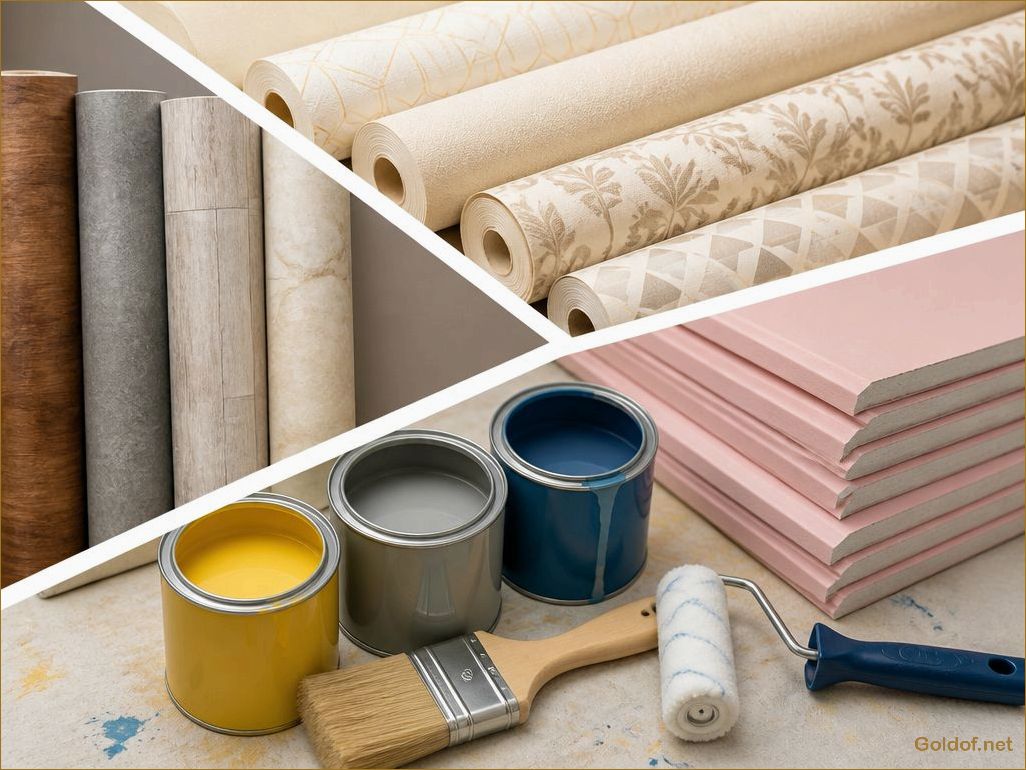
When proceeding to repair, it is important to clearly classify the necessary materials. These are primarily ink mixtures: plasters, screws and primer that provide a smooth foundation. Next are waterproofing and thermal insulation materials that are critical for wet areas and facades. The departmental group includes finishing coatings: decorative plasters, paints, wallpapers, ceramic tiles and floor coverings (laminate, linoleum, parquet). Pay special attention to accessories and related goods: fasteners, adhesives, sealants and mounting foams. For wet rooms, choose materials with antiseptic properties, for living rooms – with high environmental indicators (class E0 / E1). A competent combination of black and clean materials guarantees not only the aesthetic appearance, but also the functionality of the room for decades.
Content of the article:
Choose quality materials to make your repair not only look attractive, but also serve a long time. Start by defining the purpose and nature of each room. For the bathroom, moisture-resistant paints and tiles are ideal, which will prevent the appearance of mold. In the bedroom, pay attention to ecological wallpaper and parquet flooring, creating a cozy atmosphere.
Consider the style you want to implement. Modern trends require the use of natural and recycled materials. Wood, concrete and metal in the interior will help create interesting accents. For wall finishing, choose acrylic or clay paints that are easy to apply and dry quickly.
Do not forget about practicality. Many finishing materials have their own characteristics of care and operation. For example, laminate is great for a living room, but may not be the best choice for a corridor with high throughput. That is why it is important to compare external qualities with durability and ease of care.
Also remember the budget constraints. Expensive materials may look effective, but there are plenty of alternatives that will create the desired effect at a lower cost. Set priorities and invest in materials that provide durability and convenience.
Determine repair type and corresponding materials
Start with an analysis of the type of repair: cosmetic, capital or partial. Each of these types requires different approaches and materials. Cosmetic repair focuses on updating the appearance. Suitable for the use of wallpaper, paint, floor tiles. For major repairs, stronger materials are needed: concrete, brick, gypsum board. Partial repairs can include elements of both types, allowing appropriate materials to be used as needed.

Cosmetic repair
Use lightweight and inexpensive materials. Prefer water-based paints, vinyl wallpaper, laminate. The choice of plumbing should focus on elegance and functionality, such as stainless steel mixers and sinks. To create accent walls, decorative plaster can be used.
Capital repair
Prepare high-quality materials to create durable structures. Concrete, high-quality bricks and metal structures will become the basis of strength. Use moisture-resistant drywall sheets and mineral plasters for wet rooms. Do not forget the introduction of modern technologies such as automation systems and sound insulation. These solutions will increase comfort and durability.
| Type of repair | Recommended materials | Application |
|---|---|---|
| Cosmetic | Water emulsion paints, vinyl wallpaper, laminate | Renewal of the appearance of the premises |
| Capital | Concrete, brick, gypsum board | Building Sustainable Structures |
| Partial | Combination of materials from the first two categories | Modernization of individual areas of the apartment |
Consider functional requirements when planning repairs. The choice of materials should match not only your style, but also the operating conditions. Pay attention to each repair element to ensure the durability and efficiency of your space.
Compare prices and quality of building materials
When choosing building materials, it is important to consider not only their price, but also their quality. Low cost can be attractive, but often it reflects shortcomings in durability and functionality. Compare multiple brands in the same price range to identify the optimal combination of value and quality.
Pay attention to the certificates and standards confirming the safety and environmental friendliness of the materials. For example, for paint, choose products with low volatile organic compounds (VOCs). Such paints are slightly more expensive, but provide better indoor air quality.
When buying tiles or laminate, study their wear resistance classes. The higher the class, the longer the material will last under intensive operation. Compare several types to see which one is best suited for your repair and fits your budget.
Pay attention to consumer feedback on different materials. This will help you get an idea of the real user experience, not just the advertising. Ask for advice from friends who have recently made repairs.
Searching for materials in online stores can lead to significant savings. However, always check the terms of delivery and warranty. Smaller companies can offer better prices and an individual approach, but large networks guarantee consistency of quality and the availability of the necessary certificates.
Keep track of seasonal sales and promotions. Many stores reduce prices for certain groups of goods in certain periods, which will allow you to save significantly when purchasing materials.
Using these tips, you will be able to choose quality materials for reasonable money, which will make your repair more successful and durable.